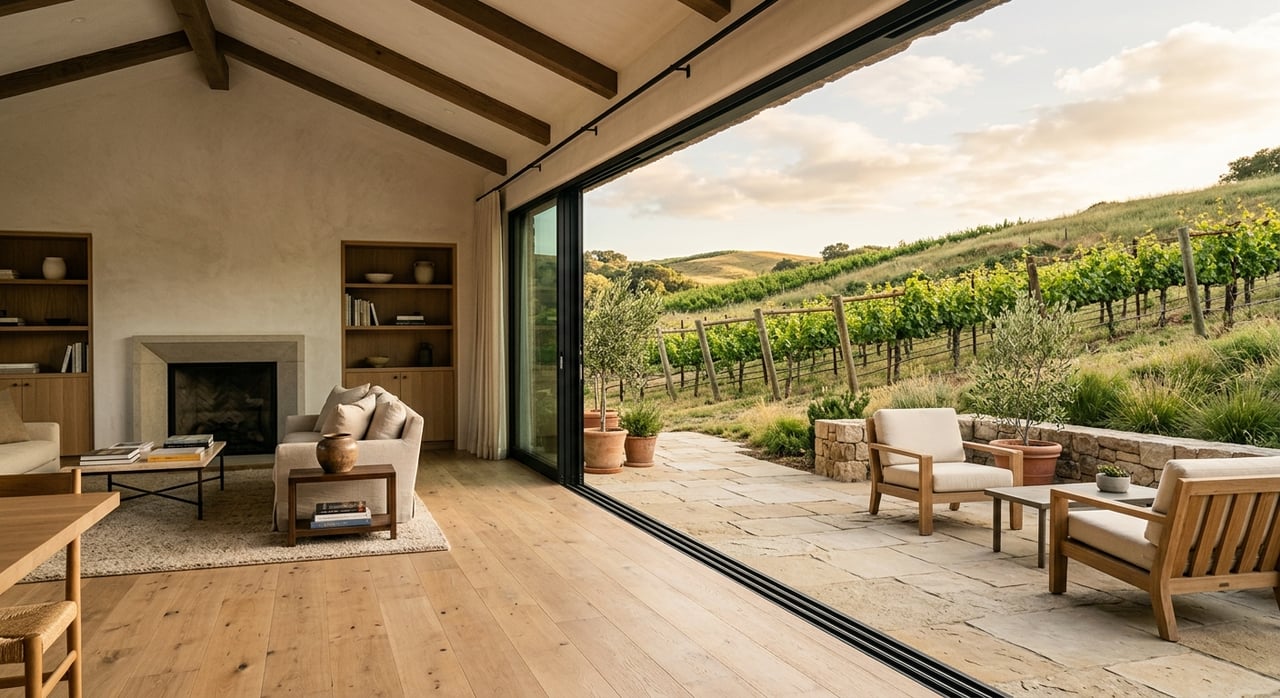
Evaluating Vineyard Potential When Buying In Paso Robles
July 2, 2026
July 2, 2026
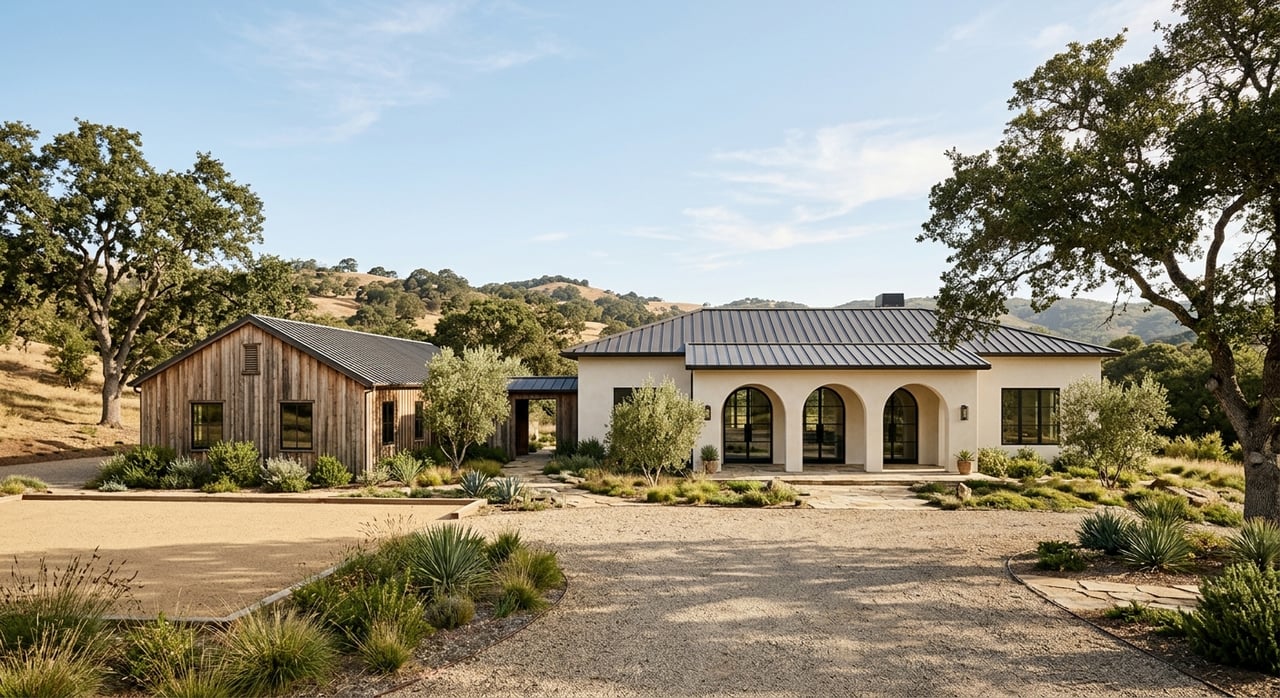
Buying land for vines in Paso Robles can feel exciting right up until you realize how much depends on the exact parcel. Two properties that seem close together can have very different soils, water conditions, access, and planting potential. If you are thinking about a vineyard property or an agricultural parcel in Paso Robles, this guide will help you focus on the factors that matter most before you buy. Let’s dive in.
Paso Robles is not one uniform vineyard landscape. The area includes an established American Viticultural Area, or AVA, with multiple nested districts recognized by the TTB, including Adelaida District, Creston District, El Pomar District, Paso Robles Estrella District, Paso Robles Geneseo District, Paso Robles Highlands District, Paso Robles Willow Creek District, San Juan Creek, San Miguel District, Santa Margarita Ranch, and Templeton Gap District.
That matters because an address alone does not tell you enough. A parcel’s exact district, elevation, and site conditions can shape how suitable it may be for vines and what kind of growing challenges or advantages you may face.
Before you get too far into a purchase, confirm whether the parcel is actually inside the Paso Robles AVA and, if it is, which nested district it falls within. This is a practical first step because district boundaries can reflect meaningful differences in terrain and climate patterns.
The original AVA record describes the broader region as including mountain vineyards, valley-floor vineyards, and older alluvial fans and terraces at different elevations. In simple terms, Paso Robles covers a wide range of vineyard settings, so one property should never be judged by the reputation of the region alone.
Topography is one of the first clues to vineyard potential. In Paso Robles, the landscape spans river bottoms, rolling hills, flatlands, and mountains, so the shape of the land can affect far more than the view.
When you walk a property, pay close attention to slope, drainage, exposure, and access. These are not cosmetic details. They can influence how water moves across the site, how usable different areas may be, and how practical it will be to support vineyard operations or future improvements.
A site with meaningful slope changes may need more careful planning than a flatter parcel. Drainage patterns can vary even within the same property, and low spots or poorly drained areas may limit planting options.
This is one reason experienced buyers think at the block level, not just the parcel level. A property may have sections that appear promising and others that require more caution.
Road access is easy to overlook when you are focused on scenery and acreage. But if a parcel needs access-road work, grading, or other site preparation, that can affect both budget and feasibility.
San Luis Obispo County notes that certain agricultural grading projects may be able to use the Alternative Review Program, which can include technical assistance, inspection, and sign-off by NRCS or an RCD. If a property needs physical improvements to support agricultural use, this is worth asking about early.
Soils are a major part of vineyard evaluation in Paso Robles, and they are highly variable. The AVA materials describe alluvial, colluvial, and bedrock-derived soils across the area, along with floodplain, alluvial terrace, and hillside soils. In some parts of the region, calcareous and alkaline soils are also part of the picture.
The key takeaway is simple: do not assume one short marketing description tells the whole story. Soil conditions can change within a vineyard block, so a single parcel may include more than one soil pattern.
If you are evaluating vineyard potential, ask what soil series are present and whether they vary across the site. A property that looks uniform from the road may perform very differently once you understand how the soils change across plantable sections.
The NRCS Web Soil Survey is one useful starting point for understanding mapped soils in a selected area. It does not replace site-specific professional review, but it can help you ask better questions before you commit.
Paso Robles is generally described as having a Mediterranean warm-summer climate, with a smaller northeast portion that runs hotter. The AVA materials also point to maritime influence, elevation, topography, and mountain-valley wind flow as reasons the area experiences meaningful climate variation from one site to another.
That means a parcel’s growing conditions are shaped by more than just the words “Paso Robles vineyard land.” Temperature swings, local wind patterns, and the relationship to elevation or ocean influence can make one site feel very different from another nearby property.
State water materials report average rainfall of about 15 inches in the basin description. That supports the idea that Paso Robles can be grape-friendly, but it does not remove the need for site-level water planning.
Large temperature swings are also part of the local story. For buyers, the practical lesson is to evaluate each parcel on its own merits rather than assuming that regional reputation guarantees vineyard suitability.
For many Paso Robles vineyard buyers, water is the most important due diligence topic. The Paso Robles Groundwater Basin is a high-priority basin under the Sustainable Groundwater Management Act, and county sources say five GSAs oversee it.
County information also notes that the basin covers roughly 436,000 acres after 2019 boundary modifications, while older state materials use a larger pre-modification footprint. That is one reason parcel-level county mapping matters more than relying on one general acreage number.
A well on the property does not automatically mean the site is ready for your plans. State basin information says groundwater quality varies across the basin, so buyers should review well history, yield, and water quality before assuming the supply will work for irrigation, domestic use, or both.
This is especially important if you are considering a parcel for both agricultural use and future residential or support improvements. Water feasibility should be part of your decision before you move forward.
San Luis Obispo County says new urban and rural development within the Paso Robles Groundwater Basin requires 1:1 water offset credits before a construction permit is issued. The county also says non-exempt new or altered wells need a licensed geologist report, and wells in the Paso Robles subbasin need verification from the relevant GSA before county issuance.
If you are thinking beyond vines and considering a guest house, ADU, farm-support building, or future residence, these rules can directly affect what is feasible. This is one of the biggest reasons a vineyard-minded purchase needs more than a standard home search approach.
Some rural parcels in San Luis Obispo County may be under Williamson Act contract. According to the county, these land-conservation contracts can reduce property taxes in exchange for a 10- or 20-year commitment not to develop or convert the land.
For some buyers, that can be a positive because it supports agricultural preservation. For others, it may be a constraint, especially if the long-term plan includes subdivision or a different type of development.
The county notes that subdivision restrictions are a primary drawback of Williamson Act participation. So if your goal is to hold and preserve agricultural character, the contract may align well with your objectives.
If your vision includes splitting the parcel or expanding development options later, you will want to understand those limits before writing an offer. This is a classic example of why the right vineyard property depends on your goals, not just the land itself.
Paso Robles is part of a strong agricultural economy. San Luis Obispo County reported that total agricultural value exceeded $1 billion for the fourth consecutive year in 2024, and wine grapes remained one of the county’s top commodities.
That does not make every parcel suitable for a vineyard. It does mean you are buying in a region where agricultural knowledge, services, and support systems are part of the local landscape.
San Luis Obispo County’s UC Cooperative Extension office helps growers with more-efficient growing methods, pest management, and irrigation methods that use less water. For a buyer trying to understand whether a site can support vines or vineyard-related improvements, that kind of local guidance can be valuable.
County resources also note that NRCS soil mapping and the Alternative Review Program may help buyers understand site conditions and potential grading pathways. The sooner you bring these questions into your due diligence, the better.
If you are evaluating vineyard potential when buying in Paso Robles, start with a focused checklist:
A good vineyard purchase is rarely about one feature alone. It is usually about how location, soils, water, access, and long-term use all fit together.
If you are considering a vineyard, ranch, or acreage property in Paso Robles, having a local advisor who understands both the lifestyle side and the practical side can make the process far clearer. For tailored guidance on distinctive Central Coast properties, connect with Aimee Edsall.
Stay up to date on the latest real estate trends.

Get assistance in determining the current property value, crafting a competitive offer, writing and negotiating a contract, and much more. Contact me today.
Get In Touch With Us

Aimee Edsall | CA DRE# 01753340
Linda Wilson | CA DRE# 01045160
711 Tank Farm Rd San Luis Obispo CA 93401 1225 Park St Paso Robles CA 93446