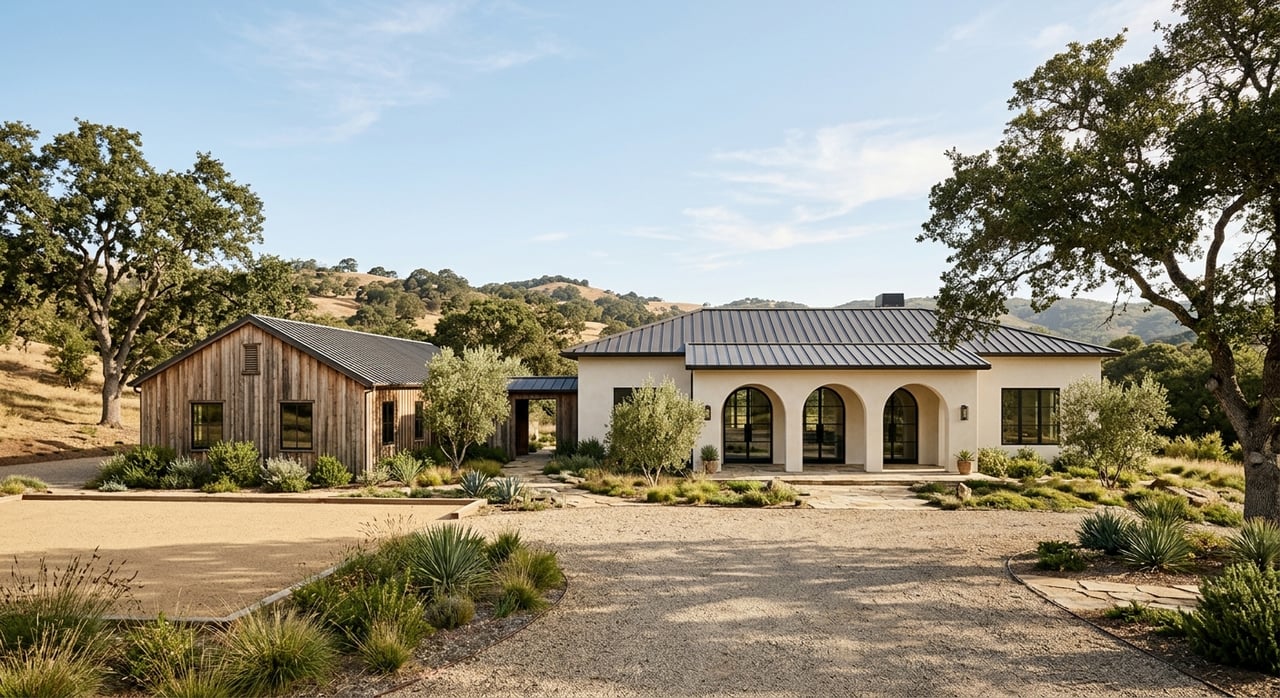
Paso Robles Ranch And Equestrian Living: What To Expect
June 11, 2026
June 11, 2026
If you are dreaming about more space, room for horses, and a property that feels tied to the land, Paso Robles likely already has your attention. It offers a rare mix of working agriculture, rural acreage, and access to town, but ranch and equestrian living here comes with more moving parts than a typical home purchase. When you understand the basics of zoning, water, infrastructure, and day-to-day property function, you can make a much more confident decision. Let’s dive in.
Paso Robles is not simply a town with a few large lots on the edges. San Luis Obispo County planning materials describe the area as a mix of bedroom and agricultural communities, with livestock grazing and wine grape cultivation as major land uses. County agriculture planning also recognizes horse raising as a meaningful agricultural activity.
That matters because it helps explain why ranch and horse properties feel natural here. In Paso Robles, open land and residential living often sit close to one another, which appeals to buyers who want a rural lifestyle without feeling completely disconnected from town. It also means land-use rules play a much bigger role in your decision.
Another key point is parcel size. Some properties function as residential horse parcels, while others are part of agricultural preserve or Williamson Act settings where acreage expectations can be much larger. County guidance for grazing land shows that qualifying acreage can be substantial, which helps explain why larger parcels remain common in this area.
One of the biggest things to understand in Paso Robles is whether a property is inside city limits or in the unincorporated county. The rules for animal keeping are not the same. A property that seems ideal at first glance may have very different use options depending on where it sits.
Inside the City of Paso Robles, animal keeping is allowed as an accessory residential use under the zoning code. In the unincorporated county, animal keeping is governed through county land-use standards and specialized animal-facility rules. That split can shape everything from how many horses you can keep to whether a permit is needed for your intended use.
For buyers, this is one of the first questions worth asking. For sellers, it is one of the first things worth clarifying in your property marketing, especially if your parcel has features that support horse use.
A good equestrian property needs to do more than look scenic. The land, layout, and supporting systems all need to work together. In Paso Robles, city standards for horse-related structures focus on setbacks, drainage, and preventing manure or runoff from affecting neighboring property.
In practical terms, that means a functional property often needs:
County trail standards also reinforce how important horse-friendly infrastructure is in this region. Public horse facility standards call for trailer parking, toilets, hitching posts, and tether lines at trailheads. While those are not residential design rules, they reflect the kind of infrastructure that supports real equestrian use.
Within Paso Robles city limits, the zoning code sets clear limits for keeping horses on residential property. A horse may be kept on a parcel of at least 1 acre without a Conditional Use Permit. Parcels as small as 20,000 square feet may keep a horse only with a Conditional Use Permit.
The city also limits residential parcels to 4 horses unless a Conditional Use Permit is obtained. Commercial boarding, public riding stables, breeding services, and arenas are not allowed in residential zoning districts. This is an important distinction for buyers who want private horse use versus those exploring a more intensive equestrian setup.
If your goal is simply to keep a few horses at home, a residential parcel may work well. If you are considering boarding, lessons, breeding, or a larger operation, you will need to look much more closely at zoning and permitting.
Larger or nonresidential horse operations follow a different path. In the city, commercial animal-keeping rules address lot size, setbacks, density limits, and permit requirements for higher-intensity uses. That means a private horse property and a commercial equestrian operation should never be viewed as the same thing.
In the unincorporated county, animal keeping must comply with the applicable land-use ordinance, and some horse-related uses can trigger additional review. The county specifically identifies horse ranches, horse boarding, and horseback riding lessons among uses that may fall under agricultural accessory structure or specialized animal facility requirements.
The county also requires a Commercial Animal Operation Permit for uses such as commercial boarding and breeding. That permit is issued annually and includes a site check. If you are shopping for a property with business potential, this is the kind of detail you want to understand early.
Water is one of the most important ownership realities for Paso Robles ranch properties. County groundwater materials identify the Paso Robles Groundwater Basin as a managed subbasin. The county states that if a property is in that basin, land divisions and general plan amendments that increase water demand are prohibited.
The county also states that new construction and new irrigated crop production must offset new water use at a 1:1 ratio within the basin. For buyers, that means water is not just a utility question. It can affect what the property can support over time.
You will also want to consider well construction rules and septic capacity. The county regulates new well construction and encourages regular onsite wastewater maintenance through its septic program. On a ranch or horse property, these systems are part of daily function, not background details.
Paso Robles ranch living comes with beautiful open land, but it also comes with wildfire considerations. County safety materials note that Paso Robles and the surrounding foothill areas face elevated wildfire risk because of nearby oak woodlands, grasslands, and chaparral. CAL FIRE’s hazard program evaluates risk based on factors such as fuel, slope, embers, and weather.
For larger parcels, wildfire preparedness is part of normal ownership. That often means vegetation management, defensible-space planning, and a more proactive approach to land maintenance. If you are moving from a more suburban property, this can be one of the biggest lifestyle shifts.
It is also a key point for sellers. A well-maintained parcel with clear evidence of ongoing land stewardship can help buyers feel more confident about the property’s condition and long-term care.
One reason Paso Robles stands out is that horse culture is not incidental here. It is supported by public planning and local infrastructure. The city says it maintains 12 trails or walking paths, and the Salinas River Trail master plan envisions a multi-use corridor for activities that include horse riding.
The master plan also notes that the city owns a substantial Salinas River Parkway Preserve, and formal trails already connect several parts of town. That adds to the appeal for buyers who want recreation options beyond their own property lines.
County parks standards also support horse use through trail design. Standards call for horse trails with 12-foot vertical clearance and trailheads with trailer parking, toilets, information boards, hitching posts, and tether lines. That level of planning shows that equestrian recreation is part of the broader regional landscape.
The Paso Robles Event Center adds another layer of support through the Hearst Equestrian Center, which includes rental space and stall infrastructure. Together, these features help explain why Paso Robles feels like a true horse community.
If you are buying a ranch or equestrian property in Paso Robles, the most important question is simple: can this parcel truly support the way you want to live? A beautiful setting matters, but function matters more. The right property should align with your intended use, not just your aesthetic preferences.
As you evaluate options, focus on:
These details can shape both your costs and your day-to-day experience. They can also affect long-term value.
If you are selling a Paso Robles ranch or horse property, your marketing should go beyond lifestyle photos and acreage totals. Buyers want to understand how the property works. The strongest listings are often the ones that clearly show systems, improvements, and practical functionality.
That can include details about access, fencing, shelter, drainage, trailer space, water setup, and how the parcel is used from one season to the next. For distinctive properties, clear positioning is especially important because the right buyer is often looking for a very specific fit.
This is where thoughtful guidance matters. A well-prepared strategy can help tell the story of the land while also answering the practical questions serious buyers are already asking.
Whether you are buying your first horse property or preparing to sell a legacy ranch, Paso Robles rewards a careful, informed approach. If you want local guidance on lifestyle properties, acreage, and how to position or evaluate a distinctive Central Coast asset, connect with Aimee Edsall.
Stay up to date on the latest real estate trends.
Get assistance in determining the current property value, crafting a competitive offer, writing and negotiating a contract, and much more. Contact me today.
Get In Touch With Us

Aimee Edsall | CA DRE# 01753340
Linda Wilson | CA DRE# 01045160
711 Tank Farm Rd San Luis Obispo CA 93401 1225 Park St Paso Robles CA 93446