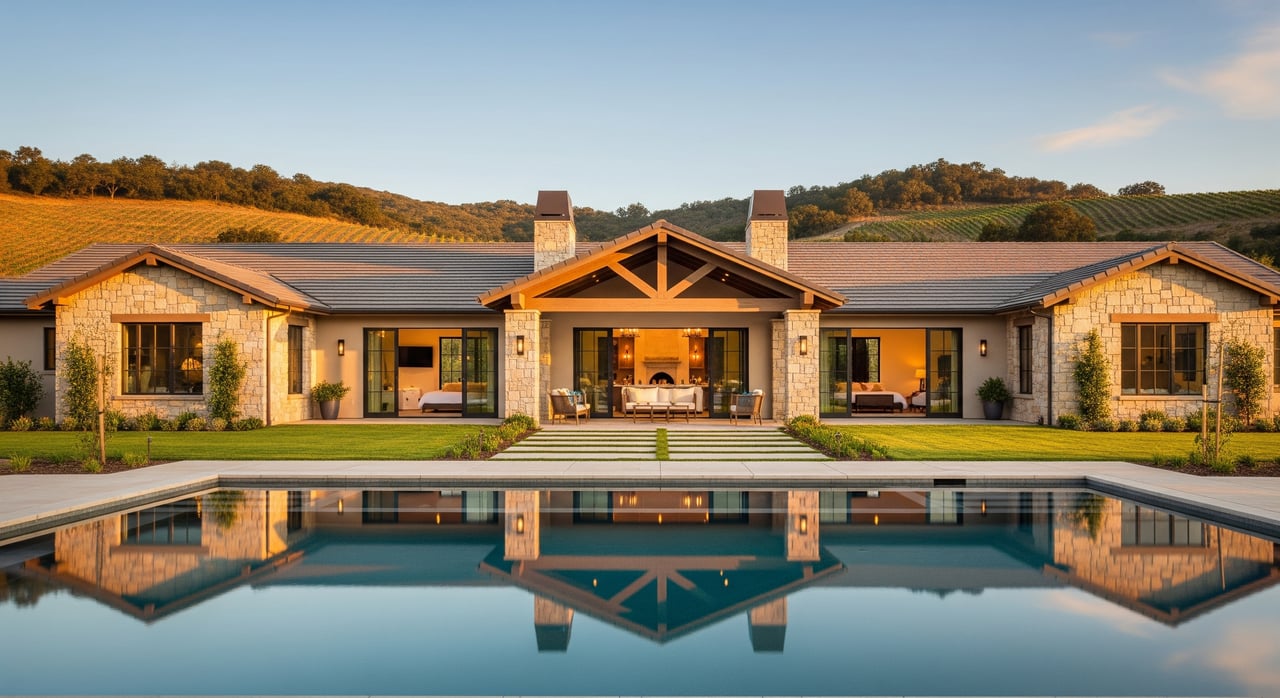
Features That Help Templeton Homes Sell
January 15, 2026
January 15, 2026
Thinking about selling your Templeton home and wondering which features truly move the needle? You are not alone. Buyers here love the wine‑country lifestyle, flexible spaces, and low‑maintenance yards that fit our climate. In this guide, you will learn which features Templeton buyers consistently value and the practical, ROI‑minded steps you can take to highlight them. Let’s dive in.
Templeton blends small‑town living with Paso Robles wine country amenities. Many buyers come for larger lots, a relaxed pace, and space for hobbies. The Mediterranean climate supports outdoor living most of the year, but summer heat and fire safety shape landscaping and material choices.
On many rural parcels, private wells and septic systems are common. That reality affects things like accessory dwelling units, irrigation, and landscape scale. Local zoning and county permits matter too, especially for ADUs and outdoor structures, so it pays to plan ahead.
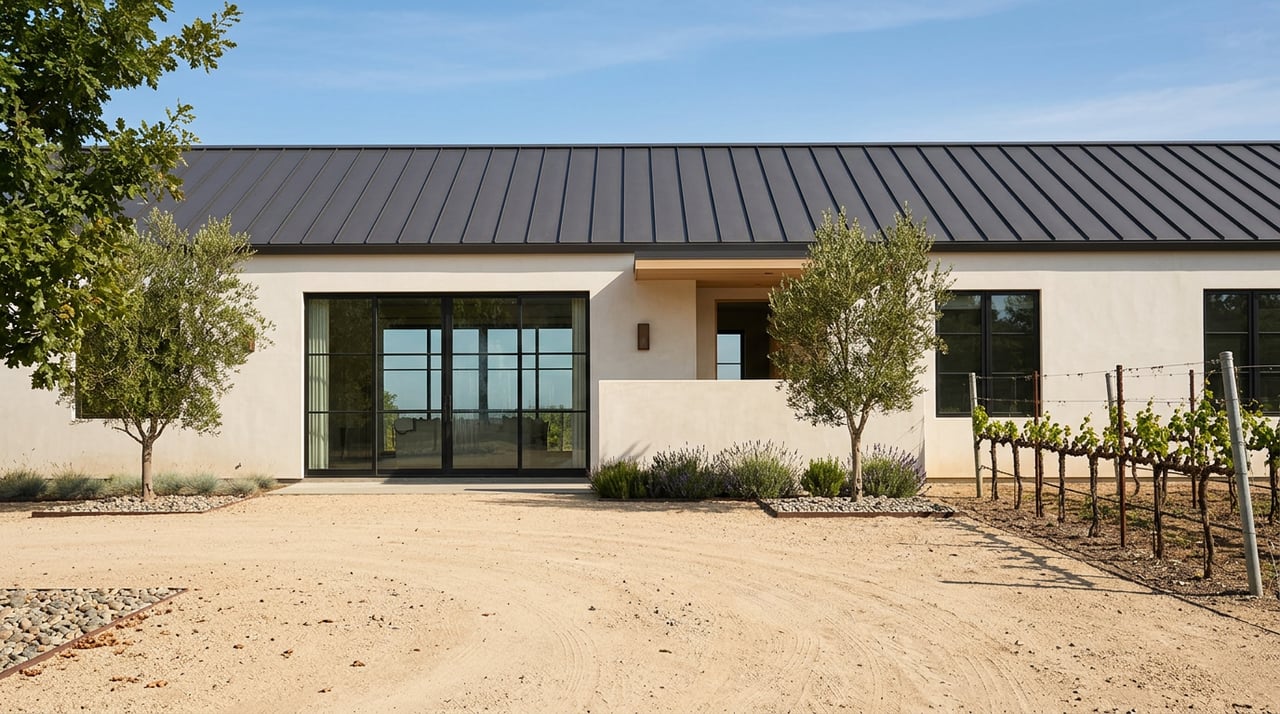
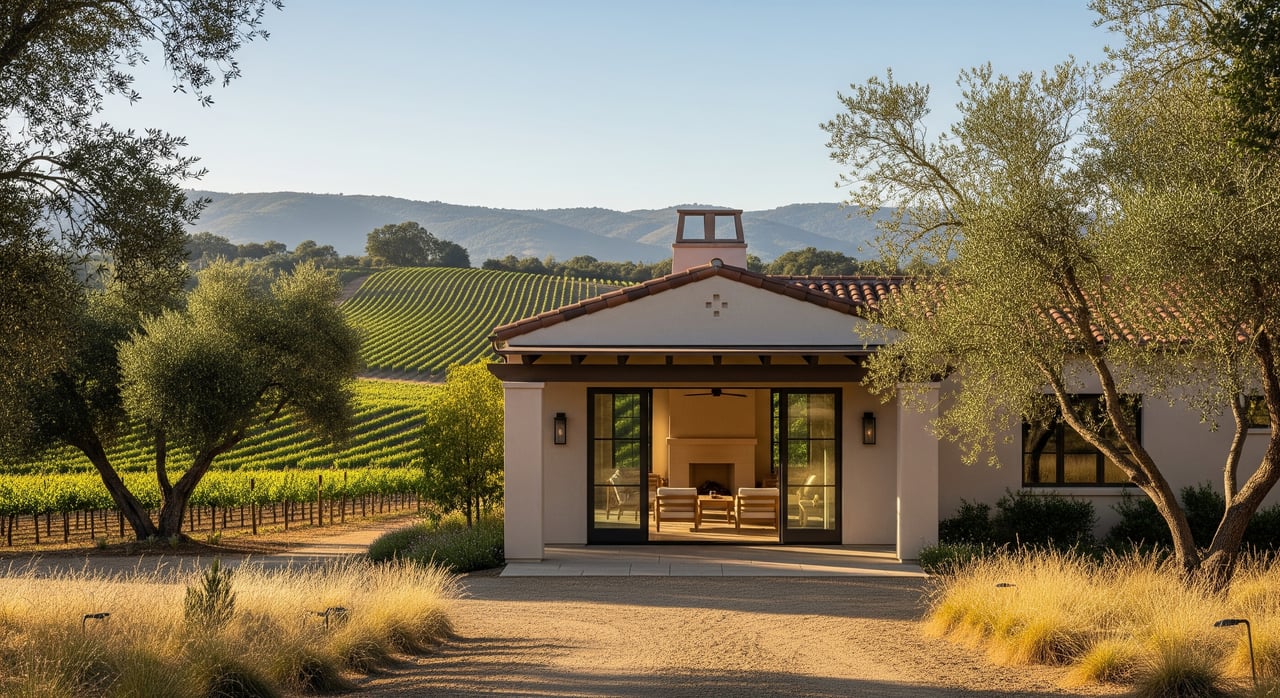
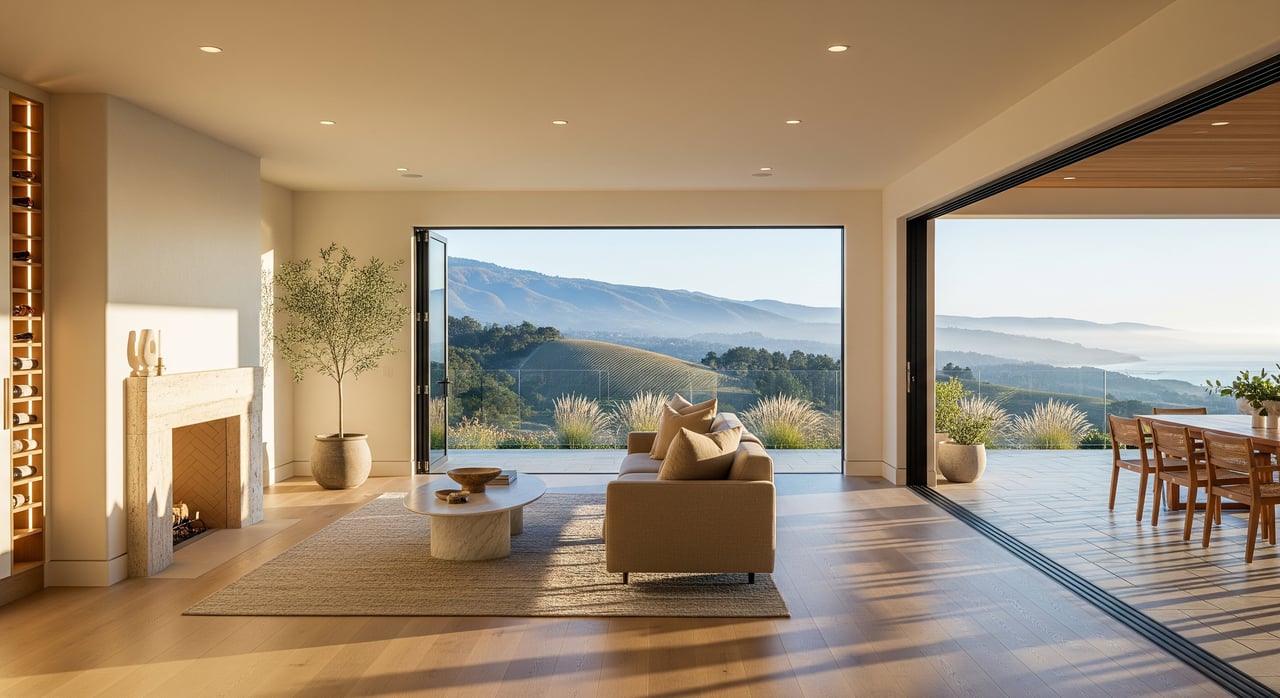
Buyers look for seamless flow from interior to exterior. Large sliding or folding doors and level thresholds make patios feel like an extension of the living room. Covered outdoor spaces, such as pergolas or roofed patios, help with shade and year‑round use.
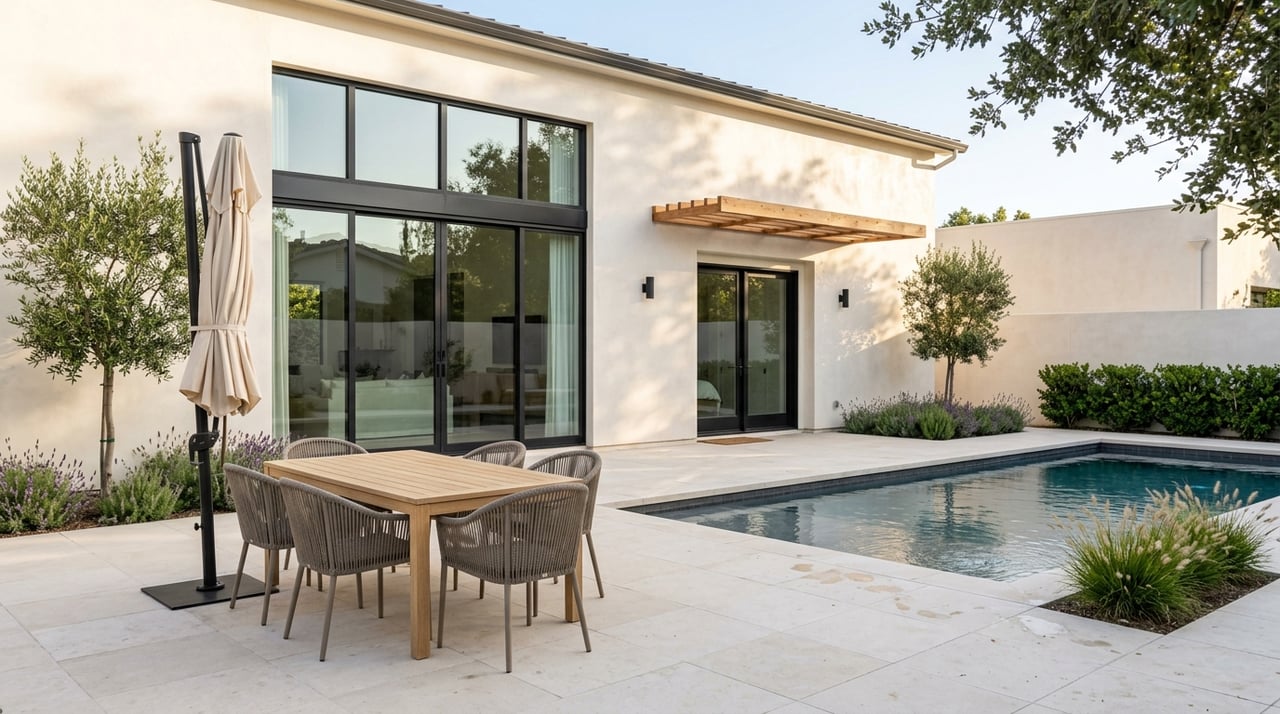
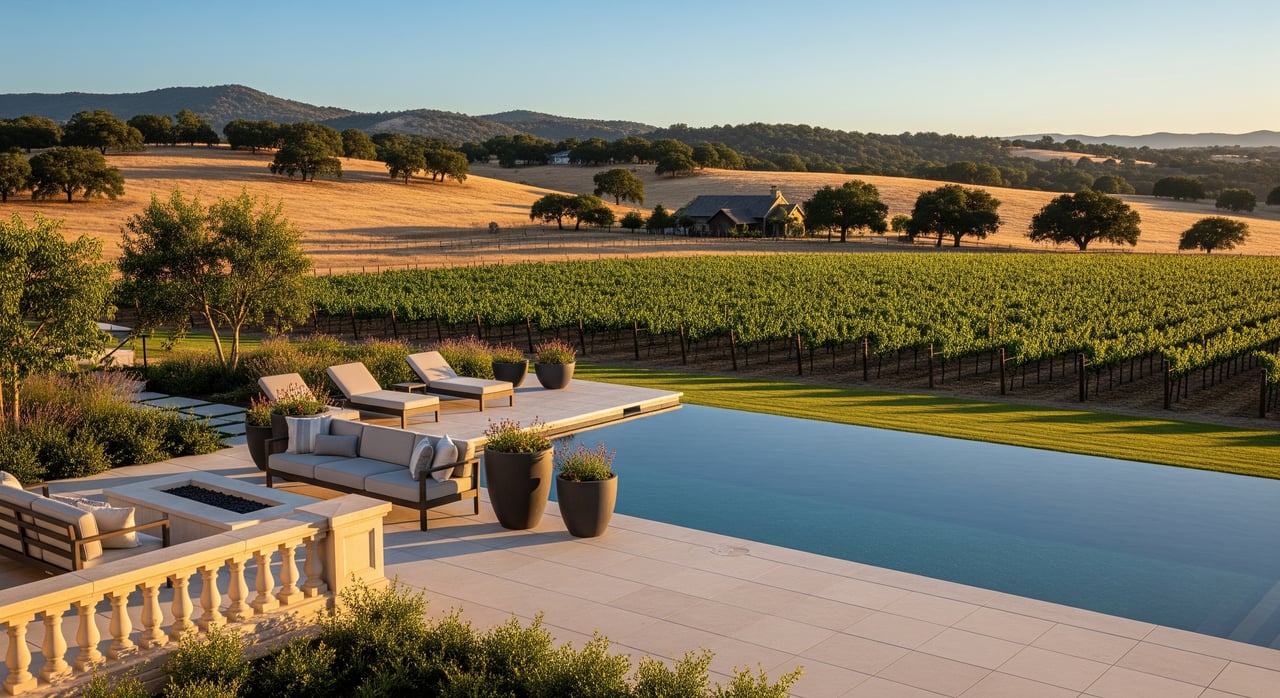
Comfort and function count. Outdoor ceiling fans or heaters, defined dining and lounge areas, and durable surfaces like pavers or composite decking show well. Thoughtful lighting, electrical outlets, and gas hookups give the space a finished, move‑in‑ready feel.
Stage outdoor areas as rooms. Add a dining set, a few comfortable chairs, and simple drought‑tolerant planters. Make sure doors glide smoothly and railings feel solid. Clean surfaces, replace dead bulbs, and show buyers how easy it is to entertain.
If you built outdoor structures, gather any permits in advance. Clear, organized documentation keeps escrow on track and helps buyers feel confident.
High‑end outdoor kitchens can look impressive, but ROI is mixed. For most sellers, a clean, shaded gathering space with reliable lighting is a stronger bet than luxury appliances. Focus on polish and usability over custom builds.
Buyers value flexibility for multigenerational living, visiting family, home offices, or rental income. Work‑from‑home buyers also appreciate private office space or a separate entry unit.
Rooms that clearly serve as a guest suite, office, or bonus den attract attention. Attached or detached ADUs can be compelling if they have a private entrance and, ideally, separate utilities. Permitting and clear records are key to showcasing value.
On rural properties, septic capacity and well yield are crucial before you add a bedroom or separate unit. Parking, access, and site layout also matter. California’s ADU laws are supportive, but local zoning, utilities, and parcel conditions still apply. Confirm details with San Luis Obispo County Planning & Building and County Environmental Health before you invest.
Small conversions can go a long way. Turning a spare room into a staged office or guest space is a budget‑friendly win that improves showability. If you consider a detached ADU, compare build cost and timeline to local rental rates, permitting steps, and your target sale window.
Templeton’s identity is tied to wine country, so a small vineyard can be a lifestyle showpiece. Buyers picture harvesting grapes, making a small batch of wine, or simply enjoying the aesthetic of rows of vines.
Good sites have the right slope, sun, soils, and frost protection. Vines need irrigation, especially in early years, and ongoing work like pruning, trellising, and pest management. Well capacity and water planning are important on rural parcels.
Treat a hobby vineyard as a lifestyle amenity unless it is designed and managed at commercial scale. Share honest, helpful details: vine age, varieties, irrigation type, maintenance routines, and any protective fencing. If you have commercial‑scale plantings, gather yield history, irrigation plans, and any agricultural permits.
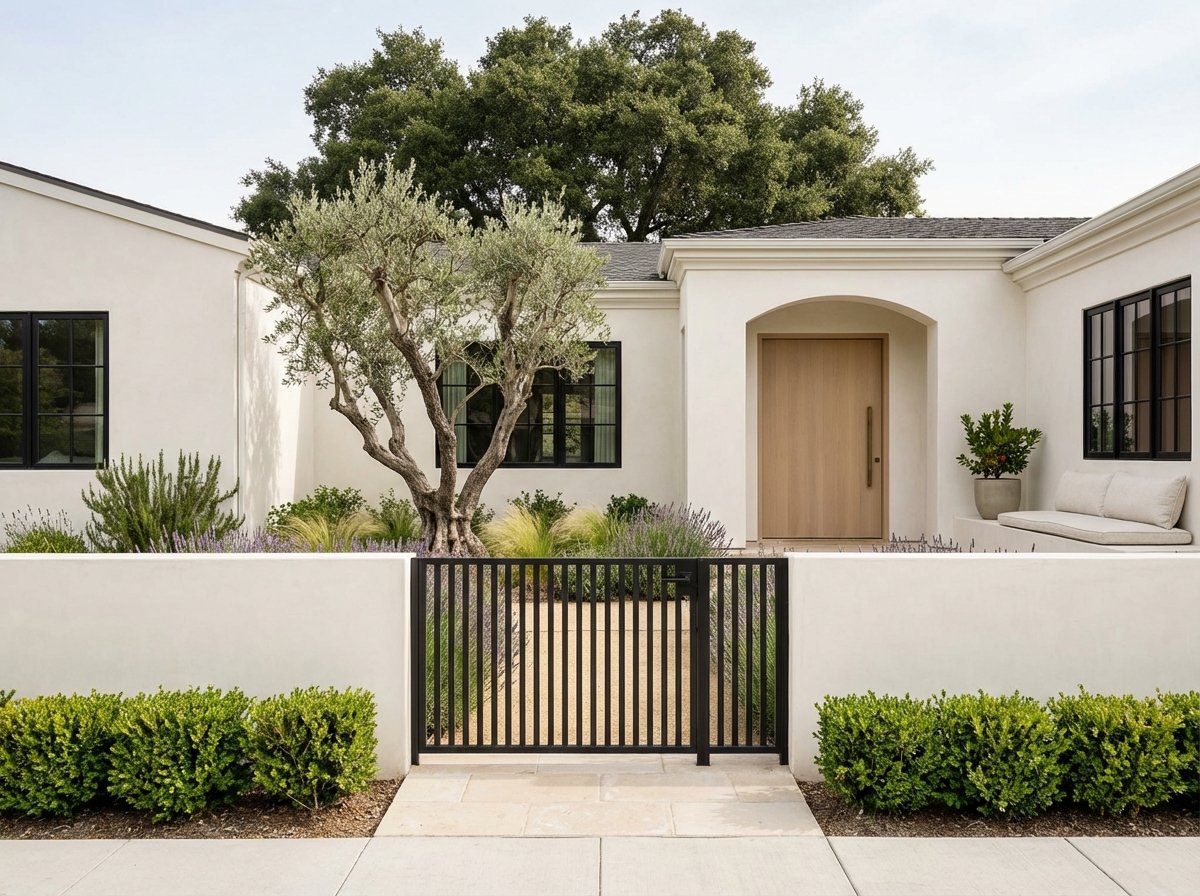
Low‑water landscapes appeal to buyers who want lower bills and less maintenance. Plant palettes with California natives, Mediterranean species, or succulents show well, especially when grouped by water needs. Drip irrigation, smart controllers, and rain sensors help buyers see savings.
Fire‑wise design is also top of mind. Keep defensible space clear and choose plants near structures with ignition resistance in mind. Permeable hardscape, decomposed granite seating areas, mulch, and native groundcovers create tidy, inviting outdoor rooms.
Local water agencies sometimes offer turf‑removal or smart irrigation rebates. Program availability changes with drought status, so check your provider before starting work. Larger projects may need to follow the Model Water Efficient Landscape Ordinance and local codes if permits are involved.
Freshen mulch, prune shrubs, and clean gravel or paver areas so the yard looks intentional. Provide irrigation manuals, controller app info, or recent service receipts to demonstrate ease of upkeep and water efficiency.
Why it helps: These steps boost curb appeal, highlight indoor‑outdoor living, and reduce buyer friction at a low cost.
Why it helps: You address top buyer priorities while smoothing due diligence during escrow.
Why cautious: Larger investments should be weighed against local comps, time on market, and your sale timeline. Many sellers get strong results with targeted mid‑cost upgrades and great staging.
In Templeton, buyers pay attention to lifestyle and practicality. If you highlight indoor‑outdoor living, flexible spaces or ADUs, low‑water fire‑wise landscaping, and well‑kept systems, you position your home to sell with confidence. A clear plan and polished presentation can shorten your timeline and maximize your outcome.
If you want a tailored pre‑listing game plan, market‑savvy valuation, and premium marketing for your Templeton home, connect with Aimee Edsall to request a complimentary consultation and home valuation.
Stay up to date on the latest real estate trends.
Get assistance in determining the current property value, crafting a competitive offer, writing and negotiating a contract, and much more. Contact me today.
Get In Touch With Us

Aimee Edsall | CA DRE# 01753340
Linda Wilson | CA DRE# 01045160
711 Tank Farm Rd San Luis Obispo CA 93401 1225 Park St Paso Robles CA 93446