Paso Robles Real Estate Market Explained
December 4, 2025
December 4, 2025
Are you wondering why one Paso Robles home sells in a weekend while a vineyard property lingers for months? You’re not alone. This market blends a small city core with rural acreage and wine‑estate properties, so each segment behaves differently. In this guide, you’ll learn how seasonality, wine tourism, and micro‑neighborhoods shape pricing and competition, plus what to watch for if you’re buying or selling. Let’s dive in.
Paso Robles is not a one‑size‑fits‑all market. The same city can show fast sales for a turnkey home near Downtown and slower timelines for large acreage or vineyard parcels. To make sense of it, focus on months of inventory rather than just the number of active listings. Low supply under roughly three months usually signals a seller‑leaning environment. Higher supply above four to six months suggests more negotiating room, especially in niche segments like vineyards or specialty rural properties.
Days on market also varies by property type. Well‑priced single‑family homes inside the city limits often move quickly. Larger rural parcels, homes needing extensive work, and vineyard properties usually take longer because the buyer pool is narrower and due diligence is more complex.
Because one or two high‑end estate sales can skew city‑level statistics, use neighborhood‑level data when setting expectations. County or city medians are helpful for context, but they rarely tell the full story here.
Paso Robles follows a familiar California rhythm: listings ramp up in late winter and spring, activity peaks in spring and early summer, then moderates in late fall and winter. Wine tourism modifies that cycle. The region hosts a steady calendar of events that draw visitors, lift visibility, and can boost interest in second homes and short‑term rentals. You can scan the year’s schedule on the Paso Robles Wine Country Alliance event calendar.
Peak visitor months from late spring through fall often bring more showings and stronger competition for move‑in ready homes and properties that might work as vacation rentals. In winter, things typically get quieter. That can create windows where buyers face less competition and sellers engage more on price or terms, especially for unique or harder‑to‑finance properties.
If you plan to use a property as a short‑term rental, verify rules before you buy. Check the City of Paso Robles for municipal code and permits inside city limits, and the County of San Luis Obispo for unincorporated areas. Local rules and permit status can materially affect returns.
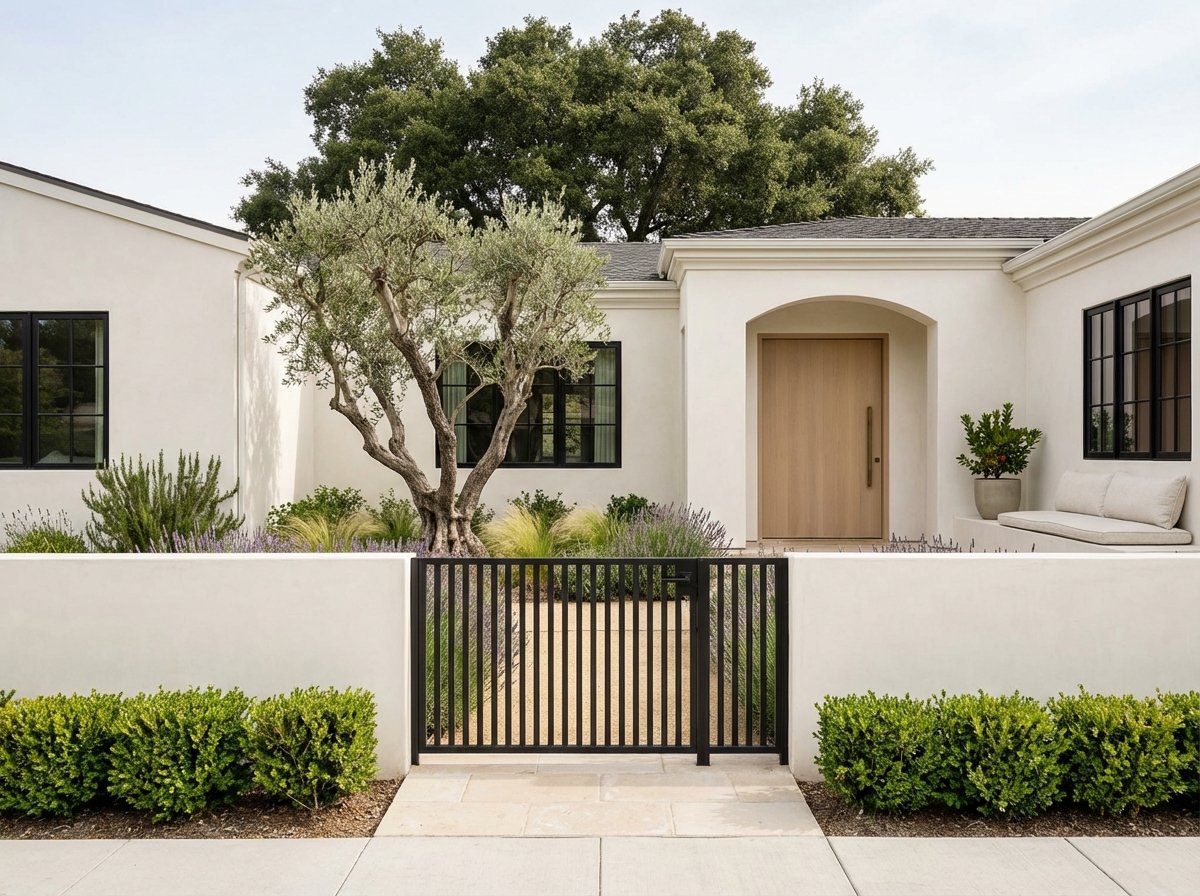
Walkable blocks around the historic core offer restaurants, shops, and events. You’ll mostly find older single‑family homes on smaller lots, with limited newer infill. Demand for convenience runs high, and well‑priced homes here often move quickly. Yard size for larger accessory uses is limited.
These established residential areas include mid‑century homes and some larger lots. Demand is steady. Cosmetic upgrades or thoughtful renovations can add value, and proximity to services is a plus.
Planned developments and newer construction appeal if you want modern floor plans and yards. New construction depends on permitting and lot availability. When supply is constrained, prices can hold firm.
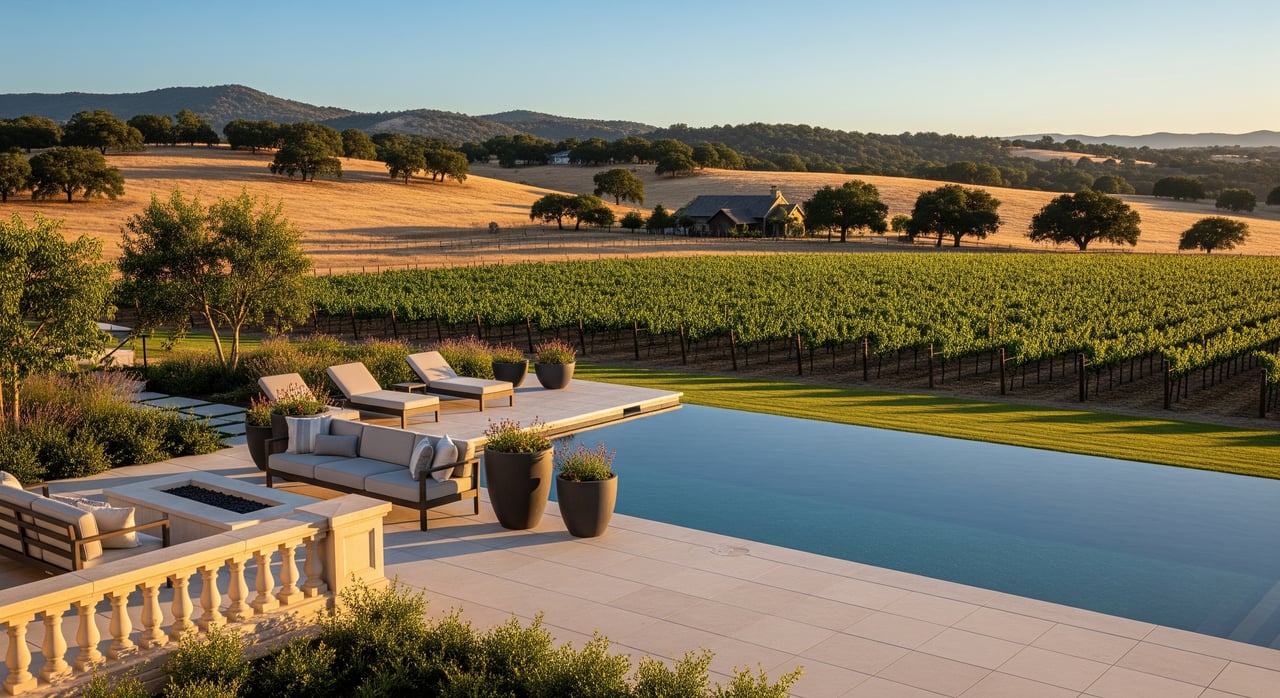
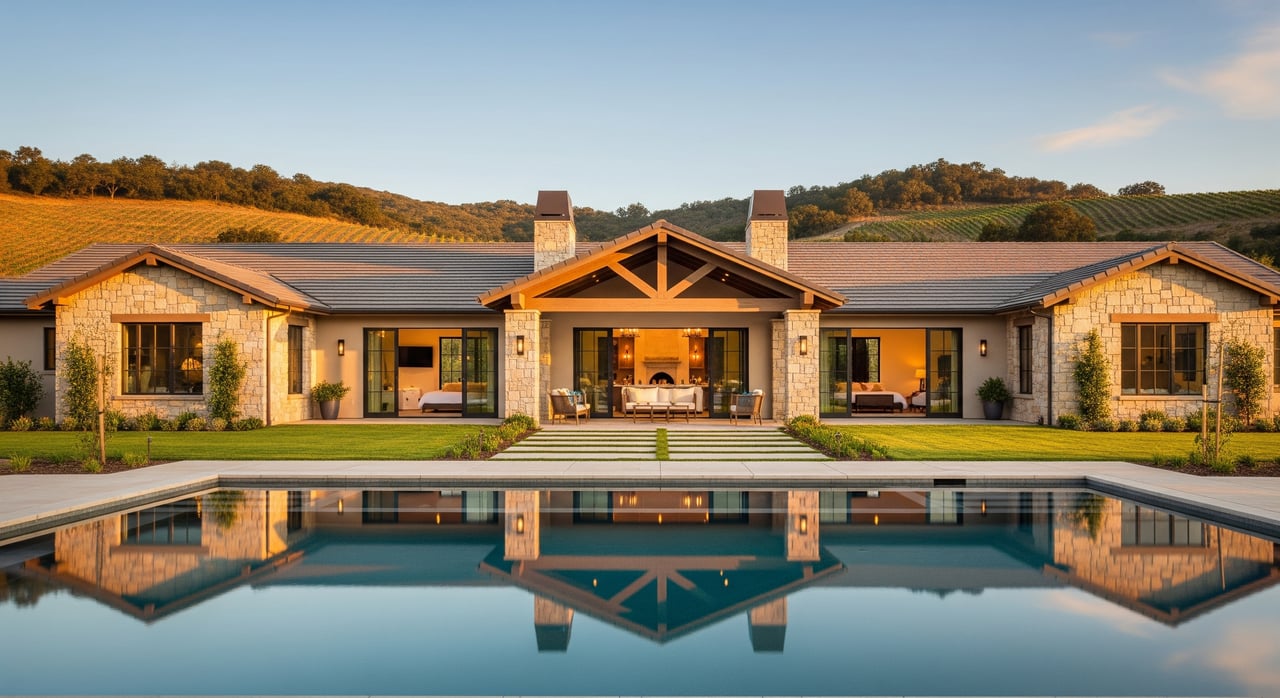
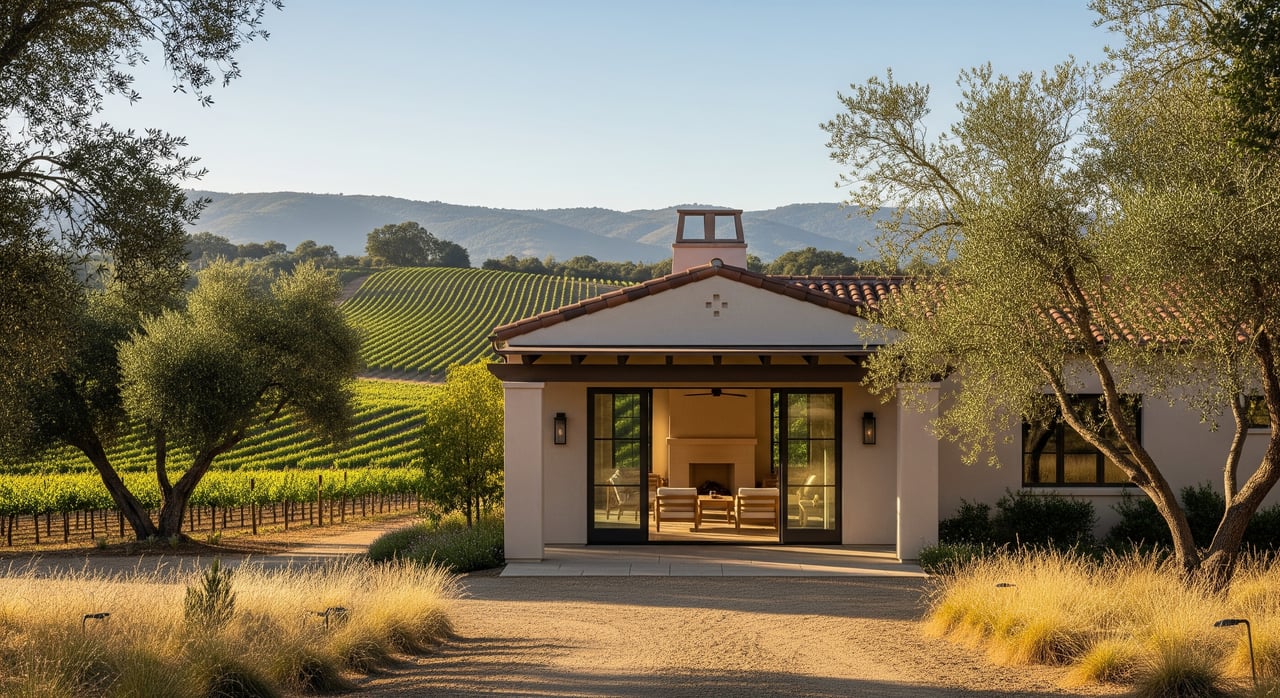
Areas such as Adelaida, Willow Creek, Creston, and eastern Paso Robles offer rural parcels, vineyards, and agricultural zoning. Value depends on land capability, water, slope, soil, access, and proximity to tasting rooms. These properties often have longer marketing times and a more specialized buyer pool.
Templeton, Creston, Shandon, and other unincorporated areas offer different price points and lifestyle tradeoffs. Commute time, road access, and services can influence value, so compare total cost and convenience across locations.
Paso Robles benefits from the wine industry and agricultural tourism. Tasting rooms, hospitality, and visitor spend support demand for second homes and vacation rentals, especially around event seasons highlighted by the Wine Country Alliance. Remote‑work flexibility also brings buyers from the Bay Area and Southern California who want a wine‑country lifestyle with weekend access.
Zoning and permitted uses shape what you can build, grow, or rent. For parcels outside the city, consult the County of San Luis Obispo planning and building resources. Water is a major factor. Groundwater management under California’s SGMA framework affects development feasibility and long‑term costs. You can learn more about SGMA at the California Department of Water Resources. On rural properties, septic and road access, power, and internet availability also influence desirability and financing.
San Luis Obispo County’s environmental review, land‑use rules, and water constraints often limit large‑scale new construction. New homes do come to market, but releases are not always frequent or broad enough to fill every price tier, so in‑town resale homes can remain competitive.
Lenders treat acreage, vineyards, and winery‑tied properties differently from standard single‑family homes. You may need specialized loan products, larger down payments, or longer underwriting. Some rural buyers explore programs from USDA Rural Development, depending on property eligibility and loan type. Unique assets also rely on specialized appraisals, which can make pricing and timelines more variable.
Lead with lifestyle. Highlight walkability, vineyard views, outdoor living, and access to amenities. Professional photos and video matter in wine‑country marketing.
Time your listing to your goals. If you want visibility with out‑of‑area buyers, consider listing before peak visitor season. If you prefer early mover activity, list into spring when inventory typically rises.
Be proactive with disclosures. Share water rights, well reports, septic details, and any agricultural or pesticide history. Transparency builds trust and reduces surprises later.
For vineyards and estates, choose representation with agricultural and winery experience. These properties require tailored marketing and reach to the right buyer pool.
For up‑to‑date market stats and reports, use trusted sources:
National portals can provide snapshots, but confirm pricing, months of inventory, and days‑on‑market with local MLS reports to ensure accuracy.
Paso Robles is a diverse market with distinct micro‑segments. Inside the city, well‑priced single‑family homes often draw quick interest. In the surrounding wine country, acreage and vineyard properties follow a different arc that depends on land, water, and specialized financing. If you align your timing with seasonality, verify permits and water early, and use neighborhood‑level data, you can move confidently whether you are buying or selling.
If you want an expert read on your specific property or goals, reach out to Aimee Edsall for a complimentary consultation and valuation. You’ll get clear guidance, a tailored strategy, and a plan that fits your next move.
Stay up to date on the latest real estate trends.
Get assistance in determining the current property value, crafting a competitive offer, writing and negotiating a contract, and much more. Contact me today.
Get In Touch With Me

Aimee Edsall | CA DRE# 01753340
Linda Wilson
711 Tank Farm Rd San Luis Obispo CA 93401 1225 Park St Paso Robles CA 93446