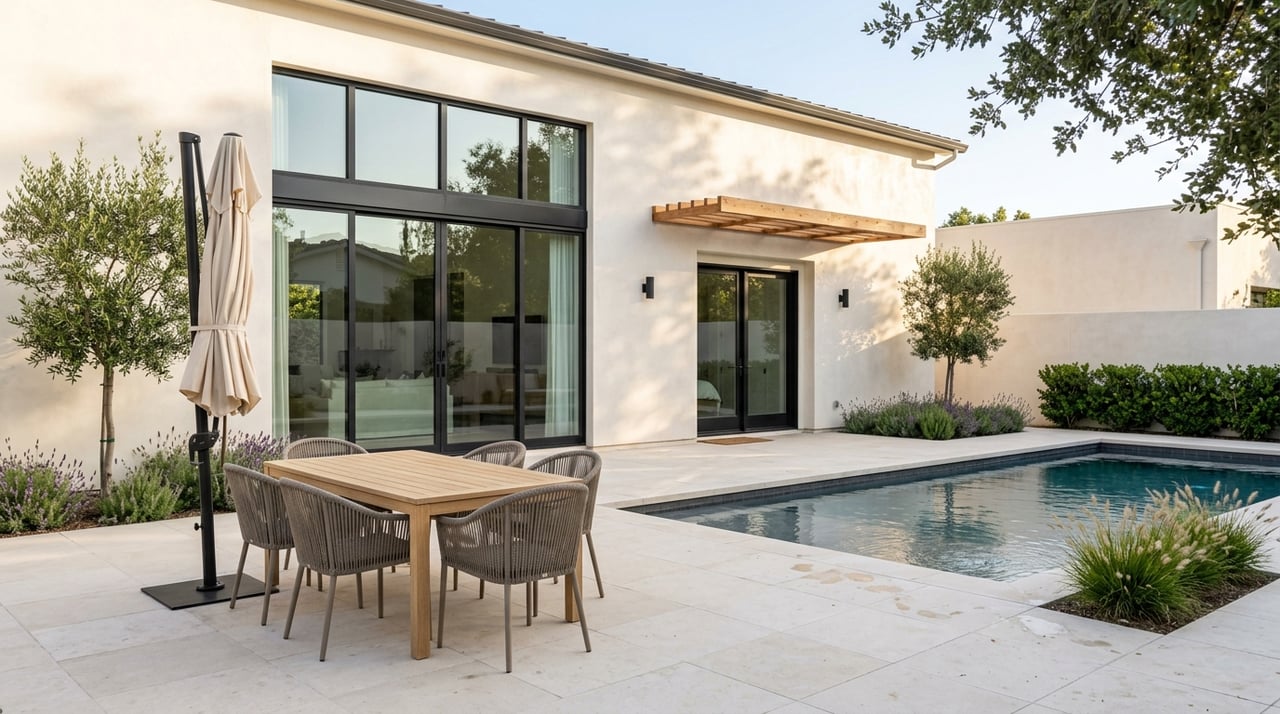
Evaluating Short-Term Rental Potential For Paso Robles Homes
April 16, 2026
April 16, 2026
Thinking about buying a Paso Robles home to use as a short-term rental? It is easy to focus on views, finishes, or wine-country charm, but the real question is whether a property can work legally, operationally, and financially. If you are weighing a second home, an investment purchase, or a lifestyle property with income potential, this guide will help you evaluate what matters most in Paso Robles before you buy. Let’s dive in.
Paso Robles has strong visitor appeal that supports short-term rental interest. Official tourism messaging centers on downtown access, walkable restaurants, tasting rooms, nightlife, and the visitor experience around Downtown City Park and Spring Street. The Paso Robles Visitor Center is located in the heart of downtown, which reinforces how important convenience and location are for many travelers.
The wine industry also plays a major role in demand. According to Travel Paso, the region features more than 200 wineries and vineyards, while the Paso Robles AVA includes more than 250 wineries and 40,000 acres of vineyards. For buyers, that means homes with good access to winery corridors or downtown amenities may have stronger appeal to leisure travelers than similar homes in less convenient locations.
Events add another layer of demand throughout the year. Paso Wine Fest takes place in May, Spring Release Month runs through March with 100-plus events, Harvest Wine Month fills October, Concerts in the Park run from mid-June through late August, and the Mid-State Fair creates a 12-day summer surge. Rather than one single busy season, Paso Robles tends to see spring, summer, and fall booking peaks.
One of the first questions to answer is whether the property sits inside Paso Robles city limits or in unincorporated San Luis Obispo County. That single detail can change the permit path, review process, and operating rules. It is one of the most important pieces of due diligence before you move forward.
Inside city limits, the City of Paso Robles short-term rental page says a permit is required for both homeshare and non-hosted accommodations. The city status page also noted that non-hosted permits were at capacity with a waitlist, while homeshare permits had no limit. If you are buying with a non-owner-occupied rental plan in mind, this is a major issue to verify early.
Outside city limits, the rules shift to San Luis Obispo County. The county says vacation rentals require zoning clearance and a business license, and the application process differs from the city’s. County rules also state that vacation rentals are not allowed in an ADU, guesthouse, or agricultural worker housing, which can affect how you evaluate larger estates or multi-structure properties.
Not every short-term rental setup is treated the same way in Paso Robles. The city distinguishes between homeshare and non-hosted accommodations, and that matters when you are deciding how you plan to use the property. Your intended use should be clear before you write an offer.
A homeshare generally aligns better with buyers who plan to live on site or use the home part time while renting available space. A non-hosted setup is more relevant if you want the property to operate as a dedicated short-term rental. Because the city’s permit status page showed non-hosted permits at capacity with a waitlist, buyers pursuing that model need to be especially careful about assumptions.
This is where a lifestyle purchase and an investment purchase can diverge. A beautiful second home may still be a poor fit for your goals if the permit path is limited or uncertain. In Paso Robles, the best candidate is often the property that matches both your intended use and the current local rules.
A Paso Robles home’s rental potential is not just about style. The city’s operating guidance shows that basics like parking, guest count, and layout can have a big impact on how simple the property is to run. In many cases, these practical details matter as much as the finishes.
The city’s Good Neighbor brochure explains that approved guest counts are tied to bedrooms, parking spaces, and occupancy limits. It also states that hosts must provide onsite parking, quiet hours run from 10:00 p.m. to 7:00 a.m., and many complaints relate to noise. That makes homes with easy off-street parking and a layout that supports clear guest separation more attractive from an operations standpoint.
The city application packet also requires a scaled floor plan and a site plan showing parking, trash storage, and utility shutoffs. Buyers often overlook how helpful it is when a property is straightforward to document and manage. A simple site plan, usable parking, and easy guest instructions can reduce friction from day one.
Short-term rental potential is also shaped by how the home fits its immediate surroundings. In Paso Robles, many of the local rules are designed to reduce neighborhood impacts, especially around noise, parking, and guest behavior. A home that is easier to operate respectfully is usually the better long-term choice.
For example, the city requires a prominent guest sign with emergency information, contact details, maximum guest count, parking instructions, and trash rules. Operators must also keep a 24/7 contact available and respond within 30 minutes of a complaint. Those requirements make it especially important to think about whether the property’s setting supports smooth guest use without creating unnecessary friction.
If you are considering a pet-friendly rental, the city’s guest guidance also reminds visitors about leash rules, dog control, and cleanup. That does not mean a pet-friendly strategy cannot work. It means your house rules and property setup need to be practical and clear.
Before you assume the numbers work, take time to model the full cost stack. Nightly rate and cleaning revenue are only part of the picture. Paso Robles short-term rentals may also involve taxes, district assessments, permit costs, and renewal expenses.
The city’s Transient Occupancy Tax page says short-term rentals are subject to TOT, with the rate increased to 11% effective February 1, 2023. That same page also notes county tourism marketing district and Paso Robles tourism district assessments. For buyers, that means underwriting should include more than rent estimates alone.
The city application materials list permit fees of $300 for a one-bedroom homeshare and $550 for a two-plus-bedroom homeshare or a non-hosted accommodation permit. The packet also says the permit is renewed every three years and the business license annually. These may not be the largest line items in your budget, but they should still be accounted for early.
Some short-term rental limits have nothing to do with city or county approval. The city application packet says a permit does not override HOA or CC&R restrictions. If you are buying in a planned community, condo setting, or neighborhood with recorded restrictions, this step is essential.
This is especially important for second-home buyers who may assume local permitting is the final answer. It is not. Private restrictions can still limit or prohibit the use you are planning, so those documents should be reviewed carefully during due diligence.
Distance from the property also matters. The city packet says that owners living more than 30 minutes from the short-term rental must designate an authorized agent. If you will not be nearby full time, build that management requirement into your plan from the start.
Paso Robles can offer strong visitor demand, but it is not a flat, identical market every month of the year. A more accurate way to think about the area is as a market with multiple demand peaks. Spring, summer, and fall each bring different travel drivers.
According to Paso Wine, Spring Release Month features more than 100 events in March. The organization also highlights spring weather and green hills in its springtime overview, while Harvest Wine Month points to October’s warm days and cool nights as part of the seasonal appeal. For buyers, that suggests shoulder-season performance may still be meaningful, especially for winery-focused stays.
A practical underwriting approach is to avoid assuming the same occupancy every month. Instead, think about how the home might perform during event periods, wine-focused travel windows, and quieter stretches. Conservative assumptions usually lead to better decisions.
Before you move forward on a property, ask these questions:
In Paso Robles, the strongest short-term rental candidate is usually not just the one with the nicest finishes or the most dramatic marketing photos. It is the property that balances legal eligibility, practical parking, manageable operations, and access to the places visitors already come to enjoy. When you evaluate a home through that lens, you can make a far more informed decision.
If you are considering a Paso Robles purchase and want help evaluating how a specific home fits your lifestyle or investment goals, Aimee Edsall can help you look beyond surface appeal and assess the details that matter most.
Stay up to date on the latest real estate trends.


Get assistance in determining the current property value, crafting a competitive offer, writing and negotiating a contract, and much more. Contact me today.
Get In Touch With Us

Aimee Edsall | CA DRE# 01753340
Linda Wilson | CA DRE# 01045160
711 Tank Farm Rd San Luis Obispo CA 93401 1225 Park St Paso Robles CA 93446