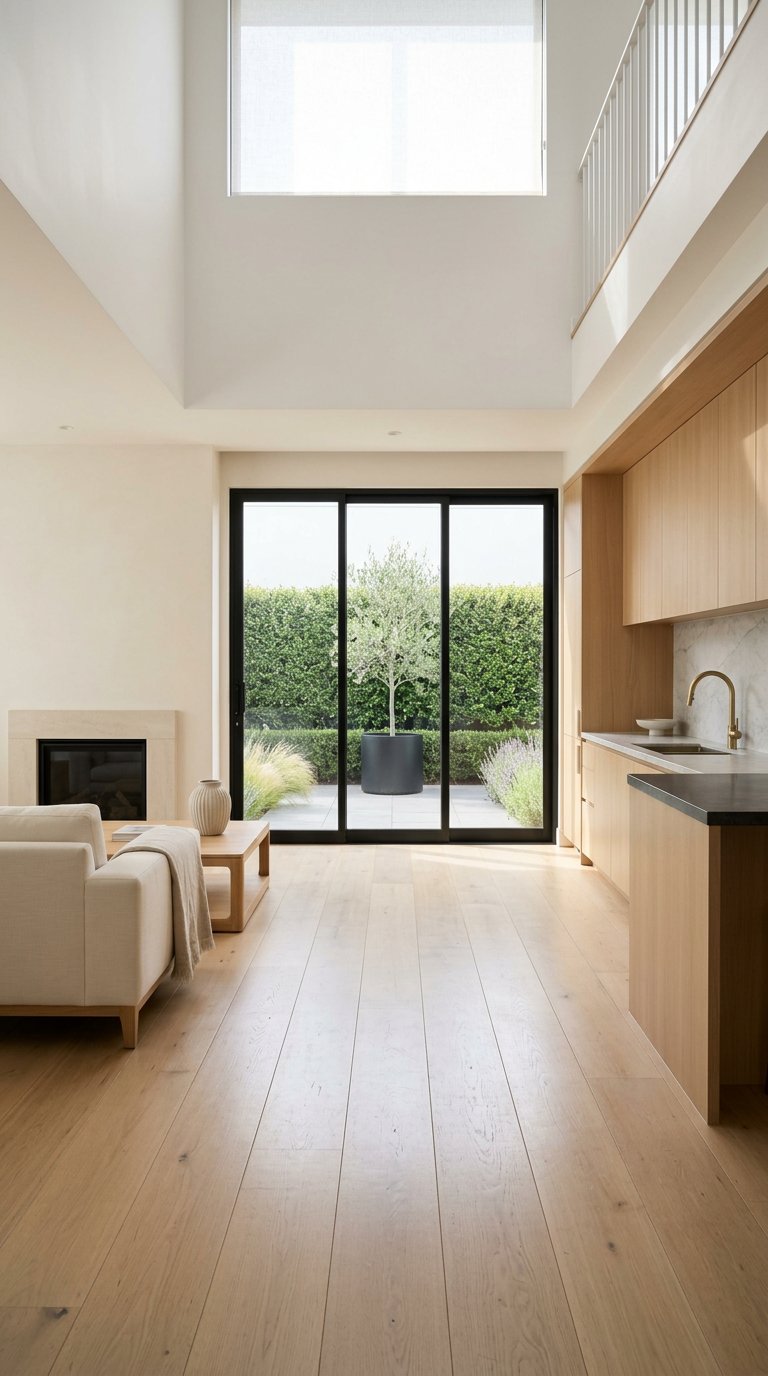
What To Know About New Construction Homes In San Luis Obispo
March 24, 2026
March 24, 2026
Dreaming of a low-maintenance home with modern touches in San Luis Obispo, but not sure where to start? You are not alone. Between new master-planned communities and downtown infill condos, the choices can feel overwhelming. In this guide, you will learn where new homes are being built, what typical floor plans and features look like, how HOAs and warranties work, and how to compare new builds with older SLO homes. You will also get a simple checklist to use before you sign. Let’s dive in.
If you are hunting for new construction in the City of San Luis Obispo, focus your search on the City’s designated Specific and Area Plan sites. These areas are where most larger neighborhoods are planned and built. Names you will see in listings and planning notices include San Luis Ranch (Madonna corridor), Avila Ranch / Airport Area, Froom Ranch, Margarita Area, Four Creeks/Higuera, and Prefumo Creek. You can scan the full list on the City’s page for Specific and Area Plans.
San Luis Ranch is a good example. It is a multi-phase project with single-family neighborhoods and a planned marketplace. Because phases roll out over time, the exact product mix can change. If you want background, the project’s CEQA record offers detailed descriptions of the plan and updates over the years. See the San Luis Ranch CEQA record for context.
Not all new homes sit in big subdivisions. You will also find smaller infill condo and mixed-use projects near the city core. These offer a different lifestyle and are marketed differently than master-planned neighborhoods. To see the type of urban product available, browse a sample of downtown infill condo listings.
New SLO communities typically offer a mix of detached single-family homes, attached townhomes, and mid-size condo projects. Recent floor plans advertised in SLO-area communities often range from about 1,600 to 2,500+ square feet for detached homes, with 3 to 4 bedrooms common. Downtown condos tend to be smaller, often 1 to 2 bedrooms, with a higher price per square foot. For a sense of current plan types and sizes, browse representative SLO-area communities on NewHomeSource.
Common features include open kitchen–family layouts, a flexible room or office, attached two-car garages, indoor laundry, and private patio spaces. Interior finish tiers matter. Builders usually offer base packages and optional upgrades that can change your price meaningfully. You can see examples of how a builder presents community and plan options on sites like Williams Homes’ portfolio page.
California energy codes and local reach codes push new homes toward higher efficiency. San Luis Obispo has promoted an electric-preferred policy, so it is common to see all-electric or electric-forward designs. Ask whether a given home includes rooftop solar or is solar ready, whether there is EV charging conduit, and what the heating, water heating, and cooking fuels are. For policy context, review SLO’s electrification background at LocalEnergyCodes.com.
San Luis Obispo’s market sits above national averages. New single-family homes recently marketed in SLO often start in the high $800,000s to $1 million-plus, with wide variation by neighborhood, phase, and finish level. Smaller downtown condos usually carry higher per-square-foot pricing. Your final number will depend on lot selection, plan elevation, included features, and upgrades.
If budget is top of mind, compare communities on total monthly cost. That means principal and interest, taxes, insurance, and HOA dues if any. Ask for a detailed features sheet and a list of available incentives so you understand the true apples-to-apples cost across builders.
Many new SLO neighborhoods form a homeowners association. HOAs in California are governed by the Davis–Stirling Common Interest Development Act, which sets rules for disclosures, records access, budgets, reserves, dispute processes, and developer transition. Before you commit, request and read the CC&Rs, bylaws, current budget, reserve study, and the last 12 months of meeting minutes. You can review the legal framework at the Davis–Stirling Act.
Dues vary widely. In some master-planned communities, the HOA covers front-yard landscaping, private street maintenance, common area care, and sometimes insurance on shared elements. Other neighborhoods leave yard care to owners. Confirm exactly what your dues include, how often they are adjusted, and whether there are any planned special assessments.
New subdivisions often begin with a developer-controlled board. Ask how long that control lasts, when owners take over, and whether the association has a professional reserve study. These details affect decision-making and future dues.
When you buy new, warranties and statutory protections matter. California’s Right to Repair law, often called SB 800, sets performance standards for new residential construction and creates a mandatory notice, inspection, and repair process before certain lawsuits. If you face a defect claim after closing, review the SB 800 statute text to follow the proper process.
In addition to SB 800, California Civil Code section 900 requires builders to provide at least a one-year express written limited warranty for fit and finish items. Many builders also offer a broader “1-2-10” style warranty in their own contracts or through a third-party administrator. Coverage details vary by builder, so always obtain the full warranty booklet and confirm how to file a claim. You can read the one-year warranty requirement in Civil Code section 900.
Even with a brand-new home, independent inspections are smart. Consider hiring an inspector for a pre-drywall stage inspection and again before your final walkthrough. During the walkthrough, note items on a written punch list and submit warranty requests in writing with photos and dates. Some settling and small issues are common in the first months, so keep records and follow up promptly.
Local reporting has also documented homeowner disputes tied to select new subdivisions, including claims of water intrusion and workmanship issues. These stories underscore why careful inspections and a clear understanding of warranty procedures are important. For background, see example coverage in local news reporting.
Use this quick checklist to compare communities and protect your purchase:
Start with how you want to live, not just the floor plan. If walkability to the historic core matters most, you will likely focus on downtown infill condos or small-lot projects. If space, energy efficiency, and warranty coverage top your list, master-planned communities in the City’s growth areas may fit better. Consider total monthly costs, commute patterns, HOA rules, and your appetite for maintenance.
A local, consultative approach helps here. If you want a curated set of options that aligns with your goals, reach out for a conversation. As a boutique advisor on the Central Coast, I will help you compare neighborhoods, decode HOA and warranty documents, and evaluate the tradeoffs clearly. Connect with Aimee Edsall to start a tailored search.
Stay up to date on the latest real estate trends.


Get assistance in determining the current property value, crafting a competitive offer, writing and negotiating a contract, and much more. Contact me today.
Get In Touch With Us

Aimee Edsall | CA DRE# 01753340
Linda Wilson | CA DRE# 01045160
711 Tank Farm Rd San Luis Obispo CA 93401 1225 Park St Paso Robles CA 93446