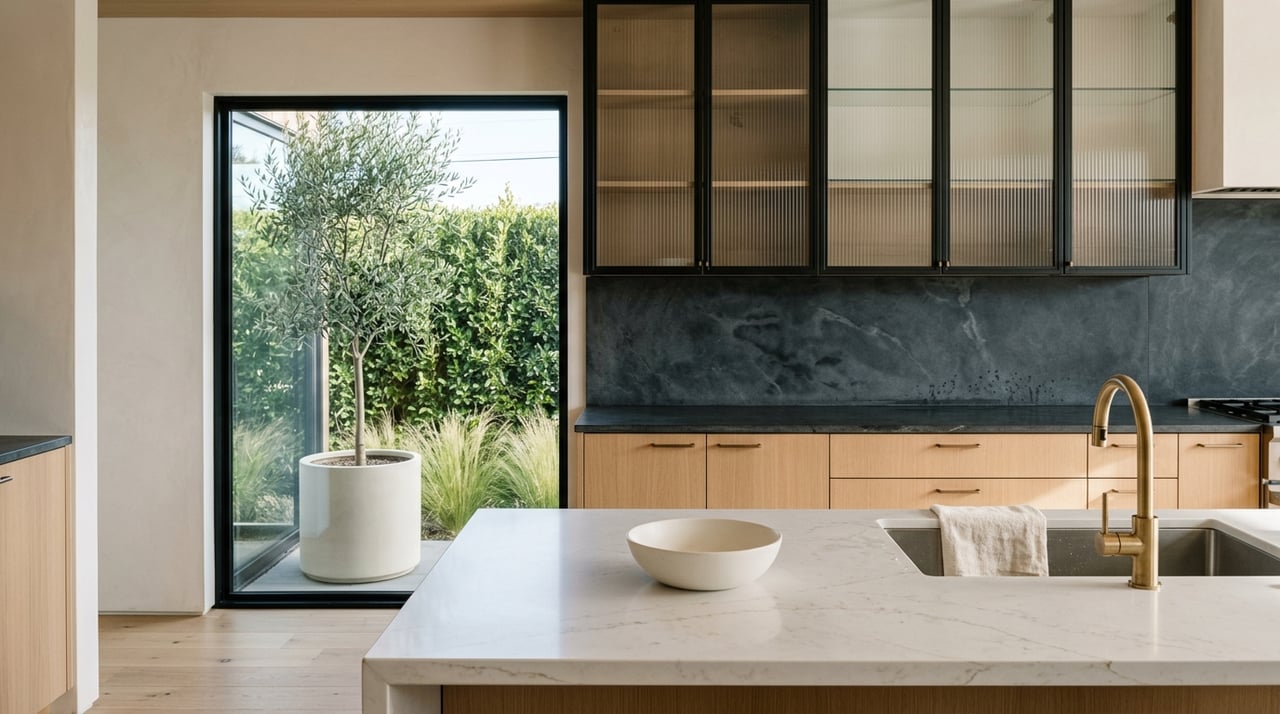
Marketing Strategies That Help Paso Robles Vineyard Homes Stand Out
April 2, 2026
April 2, 2026
If you are selling a vineyard home in Paso Robles, a standard listing plan is rarely enough. Buyers in this market are not just comparing square footage or finishes. They are weighing land, location, vineyard context, and how clearly the property’s story is told online before they ever book a visit. This is exactly why the right marketing strategy matters, and why a more thoughtful plan can help your property stand out. Let’s dive in.
Paso Robles Wine Country is not a one-note market. The area includes 40,000 vineyard acres, more than 200 wineries, over 60 winegrape varieties, and 11 sub-districts, each with different soils, elevations, and climate influences, according to Paso Robles Wine Country Alliance. That kind of variation means buyers often want much more than a beautiful home.
For a vineyard property, the marketing has to explain the setting in a way a typical residential listing does not. Details like AVA context, topography, access, planted acreage, and how the home relates to the land can all shape buyer interest. In a region where some areas are warmer and drier while others benefit from cooler marine influence, microclimate and varietal fit become part of the property story.
That matters even more in a market where presentation can affect momentum. In February 2026, Paso Robles had a median sale price of $724,500, homes sold in about 58 days, and 26.8% of homes had price drops, according to citywide housing data from Redfin. Vineyard homes are a more specialized segment, but those broader numbers still show why premium listings need to justify value clearly from day one.
A vineyard home is often a land-plus-lifestyle asset. If your marketing focuses only on the residence, you may miss the details that make the property meaningful to the right buyer. Strong positioning starts by explaining what a buyer cannot tell from the address alone.
That usually includes:
The value of that detail is supported by both local wine-country context and broader land-market guidance. NAR notes that farm and ranch buyers often need information on crop production, drainage, easements, water rights, and terrain before they engage seriously. In Paso Robles, that kind of context helps a distinctive property feel more concrete, more credible, and easier to evaluate.
AVA language should never feel like decoration. It is useful when it helps buyers understand why a parcel may attract attention within the broader Paso Robles market. The federal government defines an AVA as a delimited grape-growing region with distinguishing geographic or climatic features, according to the Alcohol and Tobacco Tax and Trade Bureau.
For sellers, that means AVA and sub-district references can strengthen a listing when they are tied to real property context. Paso Robles Wine Country Alliance’s AVA overview reinforces how soils, elevations, and marine influence vary across the region. When those details are explained clearly, your marketing does more than sound polished. It helps buyers understand the property in a more informed way.
Online presentation does a lot of the heavy lifting, especially for vineyard homes that may appeal to out-of-area buyers. According to NAR’s 2024 buyer research, 43% of buyers started their search online, 69% used a mobile or tablet device, and 51% found their home through online search. The same report found that photos were the most useful website feature, followed by detailed property information, virtual tours, floor plans, interactive maps, and videos.
For Paso Robles vineyard homes, that means your visual package should do more than look attractive. It should help a buyer understand the scale, layout, and relationship between the residence and the land. The goal is to pre-qualify interest before a showing, so the people who reach out already understand what makes the property special.
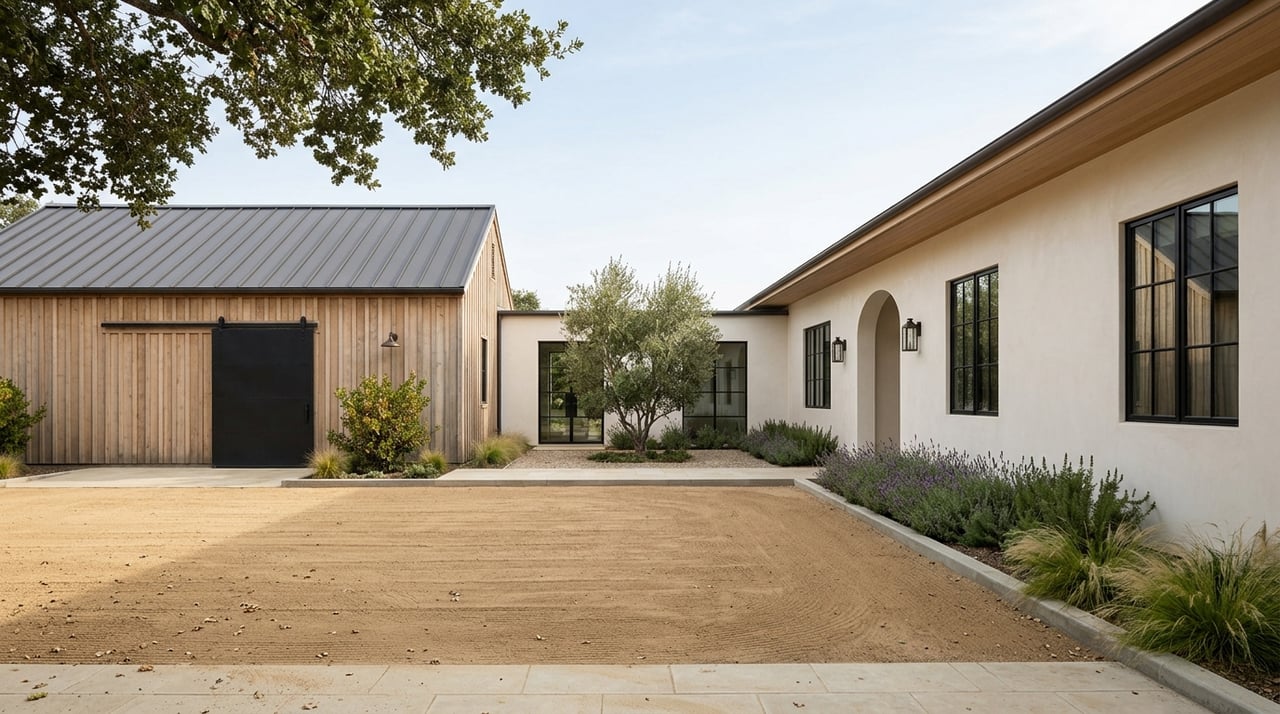
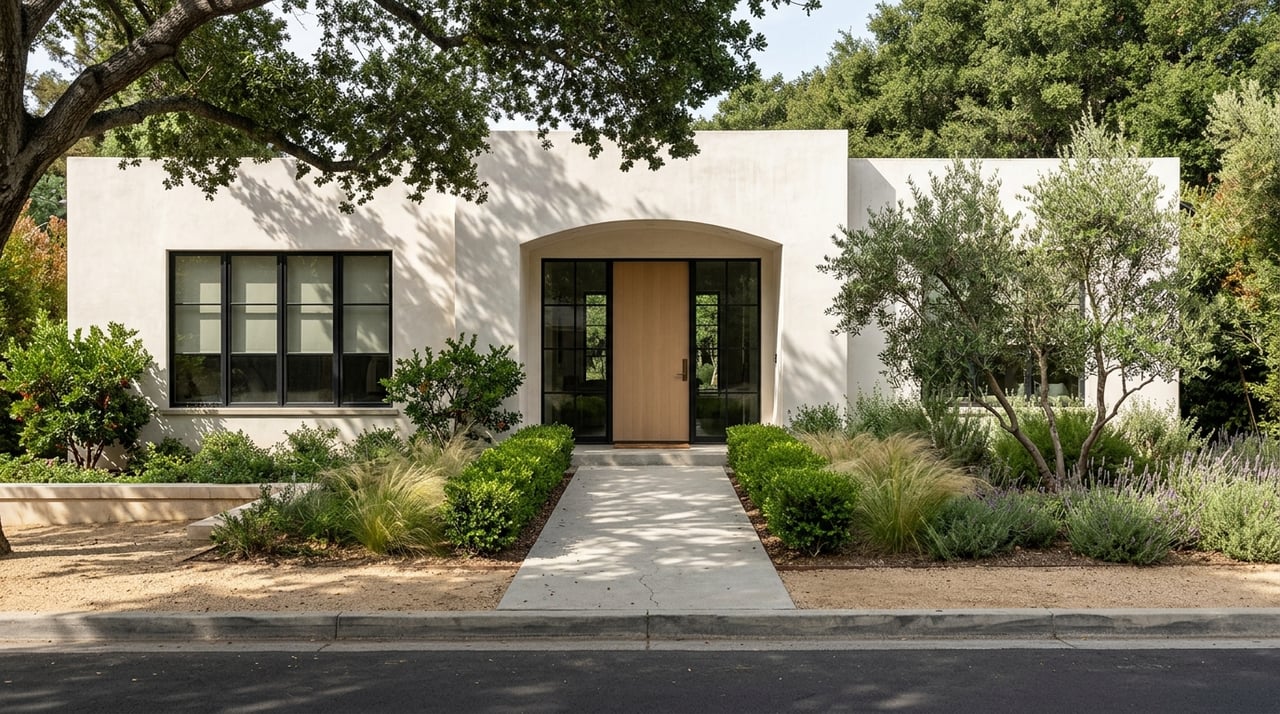
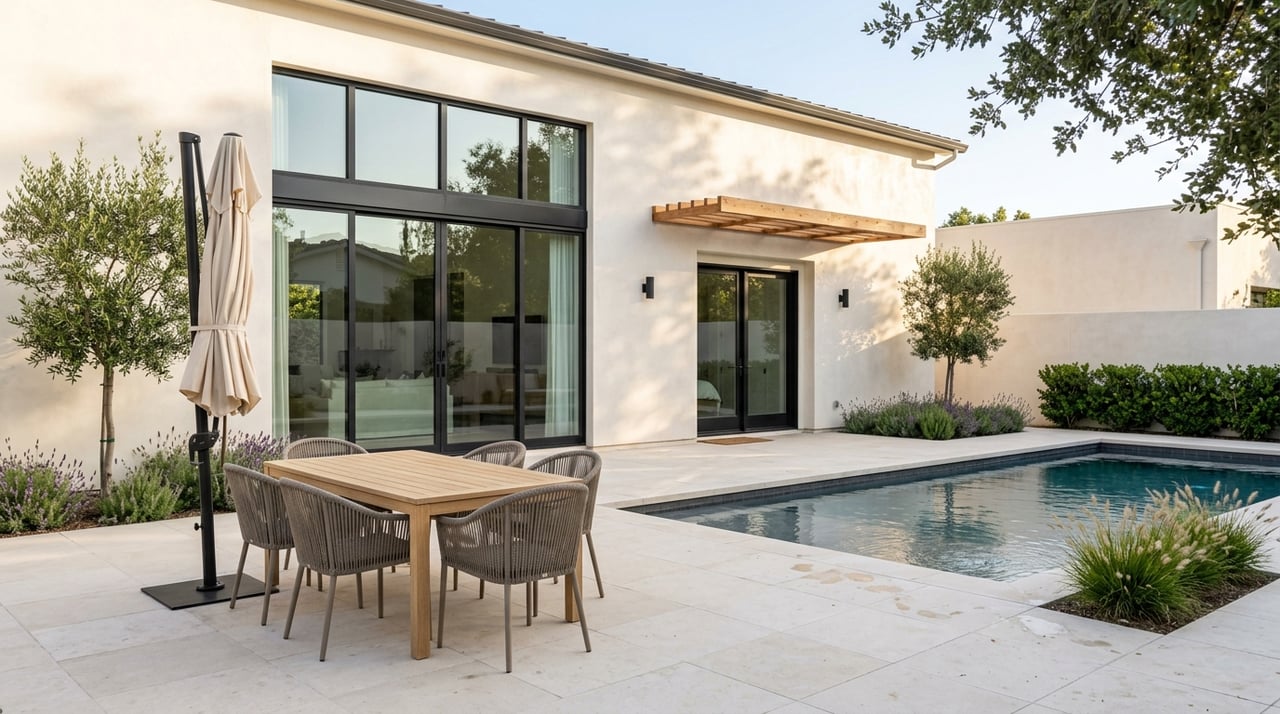
Professional photography is still the foundation. Buyers want to see quality interiors, natural light, outdoor living areas, and key architectural features. But for vineyard homes, they also need visuals that show orientation, approach, and setting.
That can include wide shots of the homesite, views across planted rows, and angles that show how the house sits within the parcel. These images help create confidence that the home and land are being marketed as a complete asset, not as separate ideas.
Video can help remote buyers understand flow and scale in a way photos alone cannot. NAR also notes that virtual tours help buyers understand how rooms connect before they visit in person. This is especially useful when a property includes guest space, barns, agricultural improvements, or long transitions between entry points and the main residence.
The more clearly you show circulation and layout, the easier it is for serious buyers to decide whether a property fits their goals. That clarity can save time for both sellers and buyers.
Floor plans are not an extra for a premium listing. NAR reports that they are among the most requested visual assets after listing photos, and interactive maps also rank as useful tools for buyers researching online. For a vineyard home, that logic extends beyond the house.
A strong marketing package may help buyers visualize:
When buyers can quickly understand layout and land use, they can make better decisions about whether to move forward.
Even distinctive properties benefit from thoughtful staging. According to NAR’s 2025 staging report, 83% of buyers’ agents said staging made it easier for buyers to visualize the home as a future residence. The same report found that the most commonly staged spaces were the living room, primary bedroom, dining room, and kitchen.
That matters because online impressions come before in-person tours for many buyers. NAR found that buyers typically viewed a median of 20 homes virtually compared with 8 in person. For a Paso Robles vineyard home, staging helps your listing feel polished, current, and easy to imagine living in, which can improve how buyers respond to the photos and video they see first.
Staging does not need to overpower the property. In many cases, the best approach is clean, minimal, and intentional, helping buyers focus on space, light, and views.
A vineyard property often appeals to buyers who are not already local. That makes broad digital reach a practical part of the marketing plan, not a luxury add-on. Redfin migration search trends for late 2025 showed inbound interest connected to metros like Los Angeles, San Francisco, and Santa Barbara.
That data reflects search activity, not completed moves, but it still points to an important reality. Many people considering Paso Robles begin their research from somewhere else. Your marketing should make it easy for a remote buyer to understand the property, the setting, and the opportunity before they step on site.
For larger or more complex parcels, aerial imagery can be one of the most useful tools in the entire campaign. It helps show boundaries, approach, surrounding vineyard context, and how improvements sit across the land. That is especially helpful when the property includes multiple structures or a layout that is difficult to understand from ground-level photos alone.
Commercial drone work should be handled properly. The FAA states that commercial drone operations under Part 107 require a remote pilot certificate, with recurrent training completed every 24 calendar months. In other words, aerial photography is not just a creative feature. It is a professional tool that should be executed within the right standards.
Beautiful images may earn the click, but strong copy helps keep a serious buyer engaged. For vineyard homes, the listing description should translate the property into useful information. Buyers often want to know not only what the property looks like, but how it functions and what sets it apart.
A stronger description often includes:
This kind of writing supports the consultative process that high-value properties need. It helps attract better-matched inquiries and can reduce confusion that leads to unproductive showings.
The best marketing plans for Paso Robles vineyard homes are not just more expensive versions of a standard listing package. They are more strategic. They are designed to explain value, qualify buyers, and present the property as a complete offering.
Here is what that usually looks like in practice:
| Strategy | Why it matters |
|---|---|
| Detailed storytelling | Helps buyers understand the parcel, setting, and vineyard context |
| Professional photography | Creates a strong first impression and highlights lifestyle appeal |
| Video and virtual tours | Shows flow, scale, and how the spaces connect |
| Floor plans and maps | Makes the layout easier to evaluate remotely |
| Aerial imagery | Gives crucial perspective on land, access, and improvements |
| Broad digital exposure | Reaches out-of-area buyers who may be the right fit |
When these pieces work together, the property feels easier to understand and more compelling to pursue.
If you own a vineyard home in Paso Robles, you are likely selling something highly specific. That means the right buyer may be looking for exactly what you have, but only if the marketing helps them recognize it. A generic approach can undersell important details or leave too much open to guesswork.
A more tailored plan helps connect your home with buyers who appreciate its land, location, and long-term value. It also supports stronger positioning in a market where serious buyers often compare listings online before deciding which properties are worth visiting.
If you are thinking about selling a vineyard, ranch, or other distinctive property on the Central Coast, Aimee Edsall offers a consultative approach built around local market knowledge, tailored storytelling, and premium marketing designed to help exceptional properties stand out.
Stay up to date on the latest real estate trends.
Get assistance in determining the current property value, crafting a competitive offer, writing and negotiating a contract, and much more. Contact me today.
Get In Touch With Us

Aimee Edsall | CA DRE# 01753340
Linda Wilson | CA DRE# 01045160
711 Tank Farm Rd San Luis Obispo CA 93401 1225 Park St Paso Robles CA 93446